

Mid-Century Month Sale

-
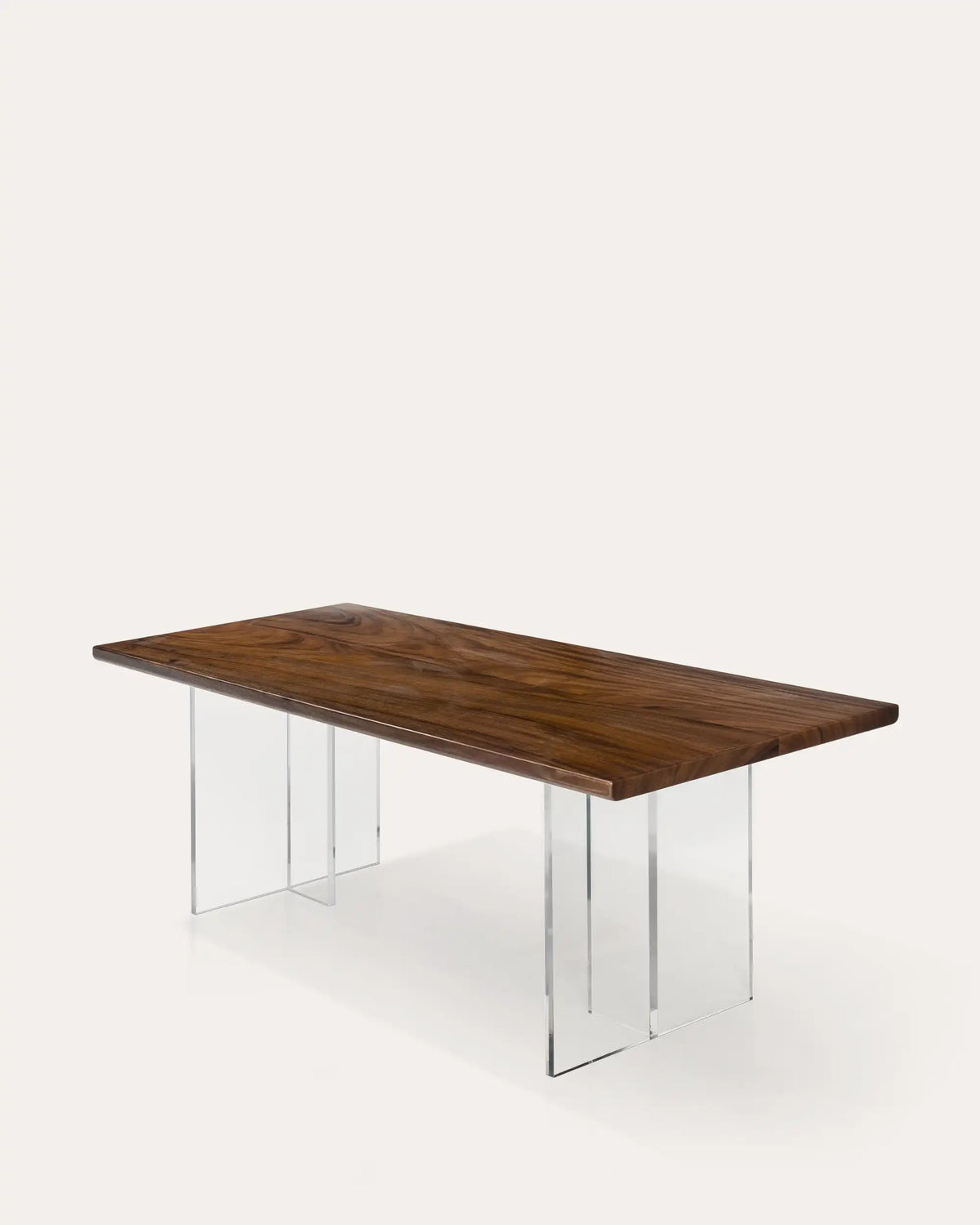
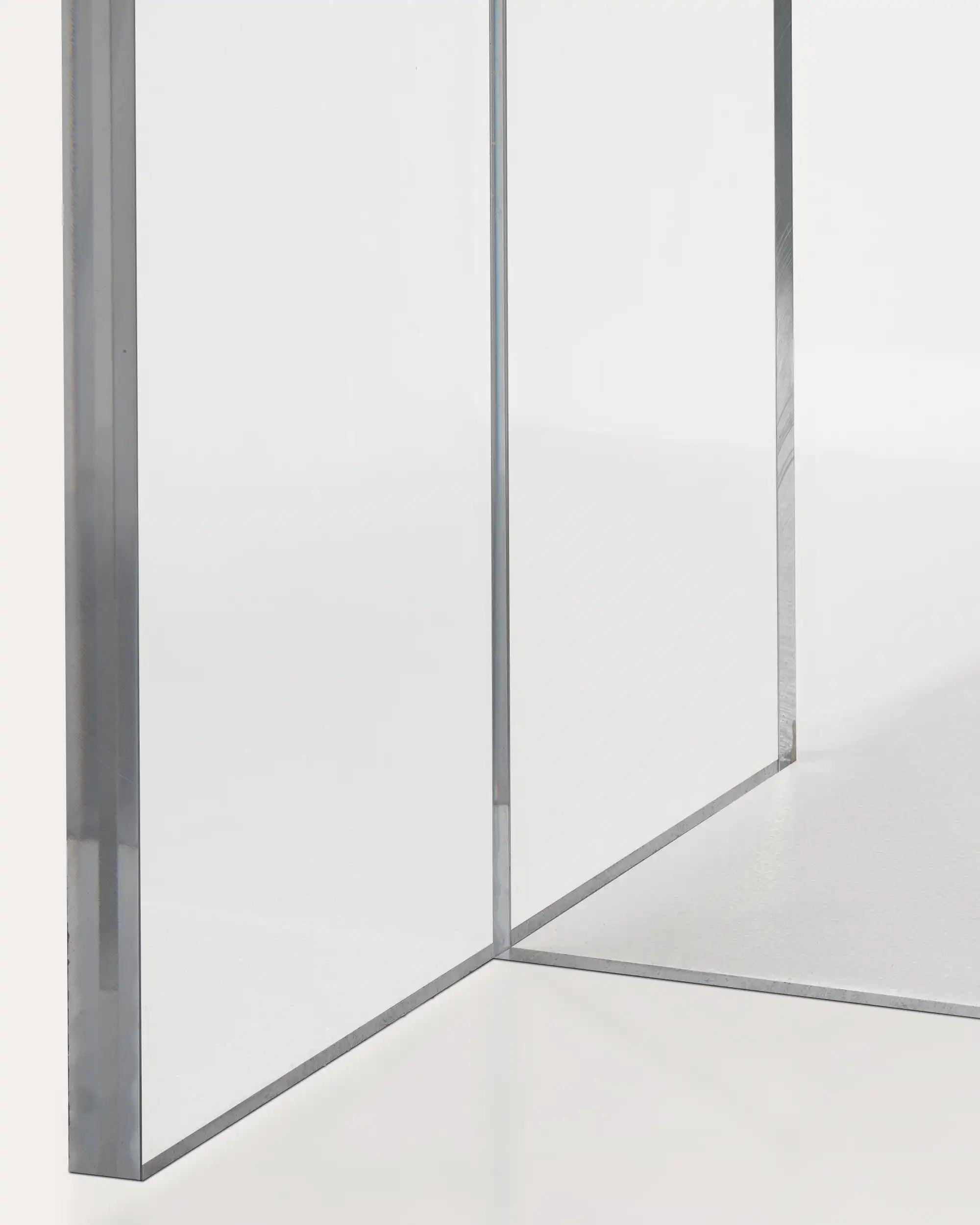
Inspired by modern art installations, the Acrylic Floating Dining Table blends transparent acrylic with solid walnut wood to create a dreamy, weightless effect. It transforms your dining space into a scene of modern artistry and everyday wonder.
-
Inspired by modern art installations, the Acrylic Floating Dining Table blends transparent acrylic with solid walnut wood to create a dreamy, weightless effect. It transforms your dining space into a scene of modern artistry and everyday wonder.
-
Artistic Floating Design
-
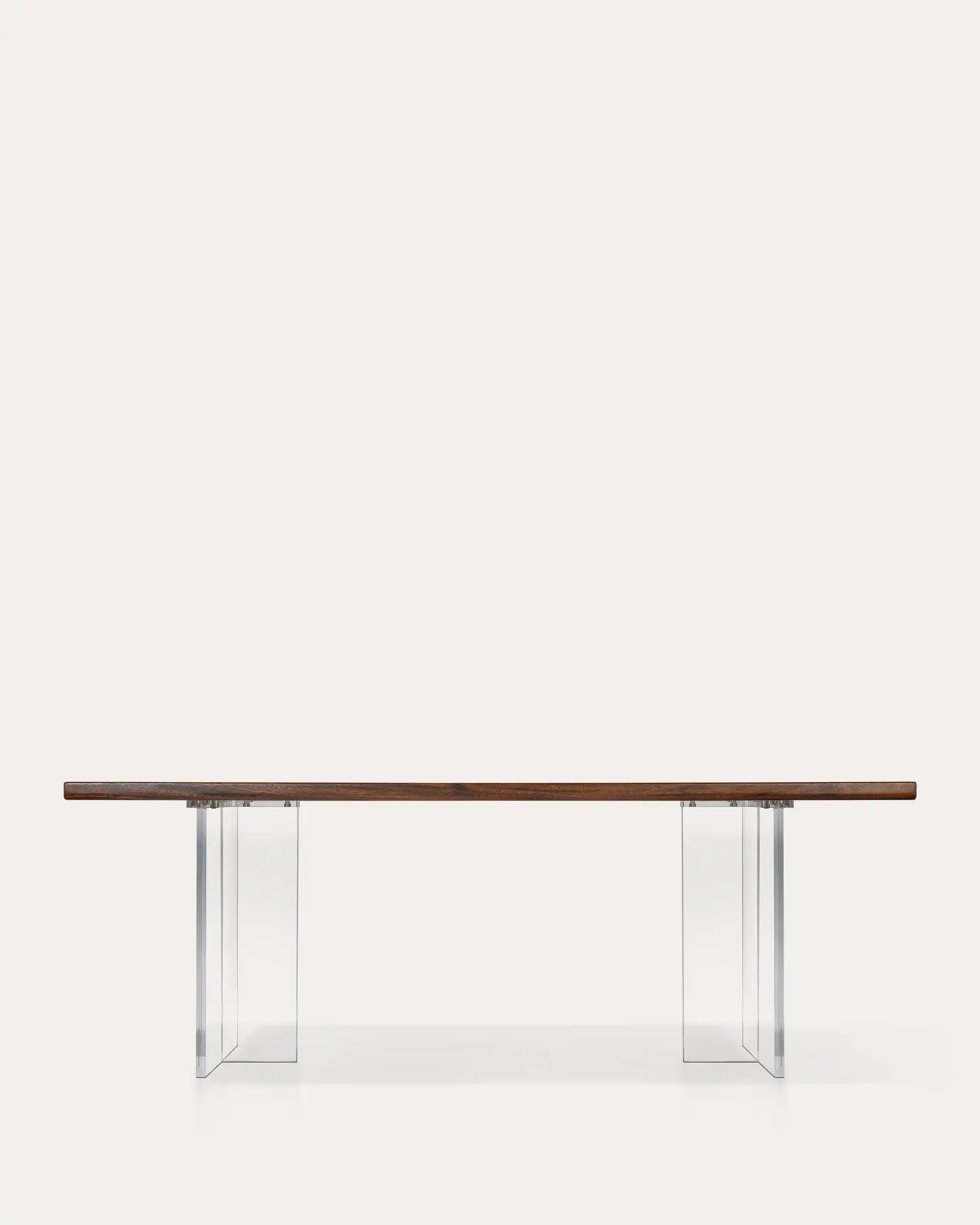
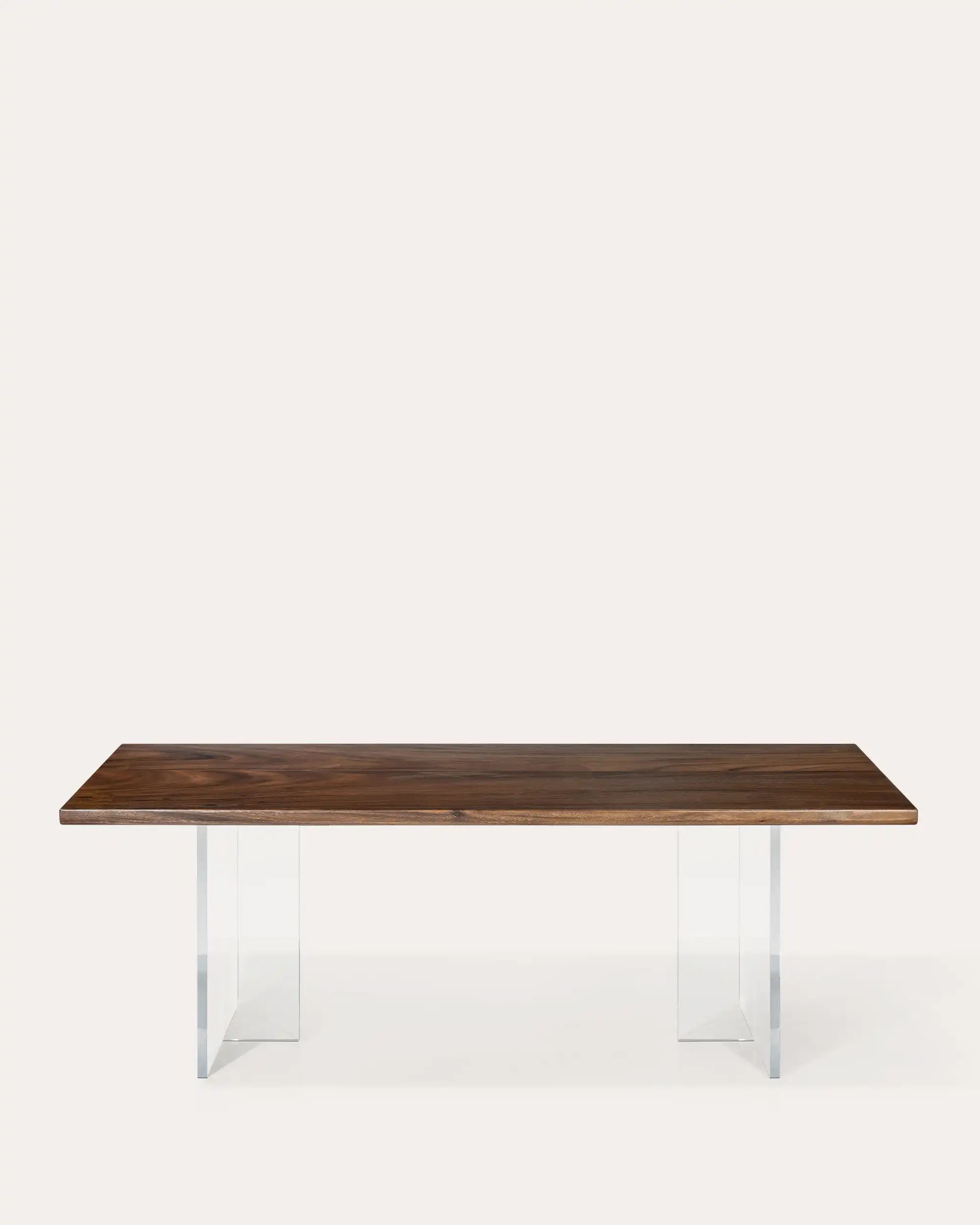
Drawing inspiration from acrylic art exhibits, this table combines clear acrylic with walnut wood to create an elegant, floating illusion. The transparent base makes the tabletop appear suspended in midair—adding a touch of magic to your dining moments.
-
Solid Structure & Enduring Strength
-
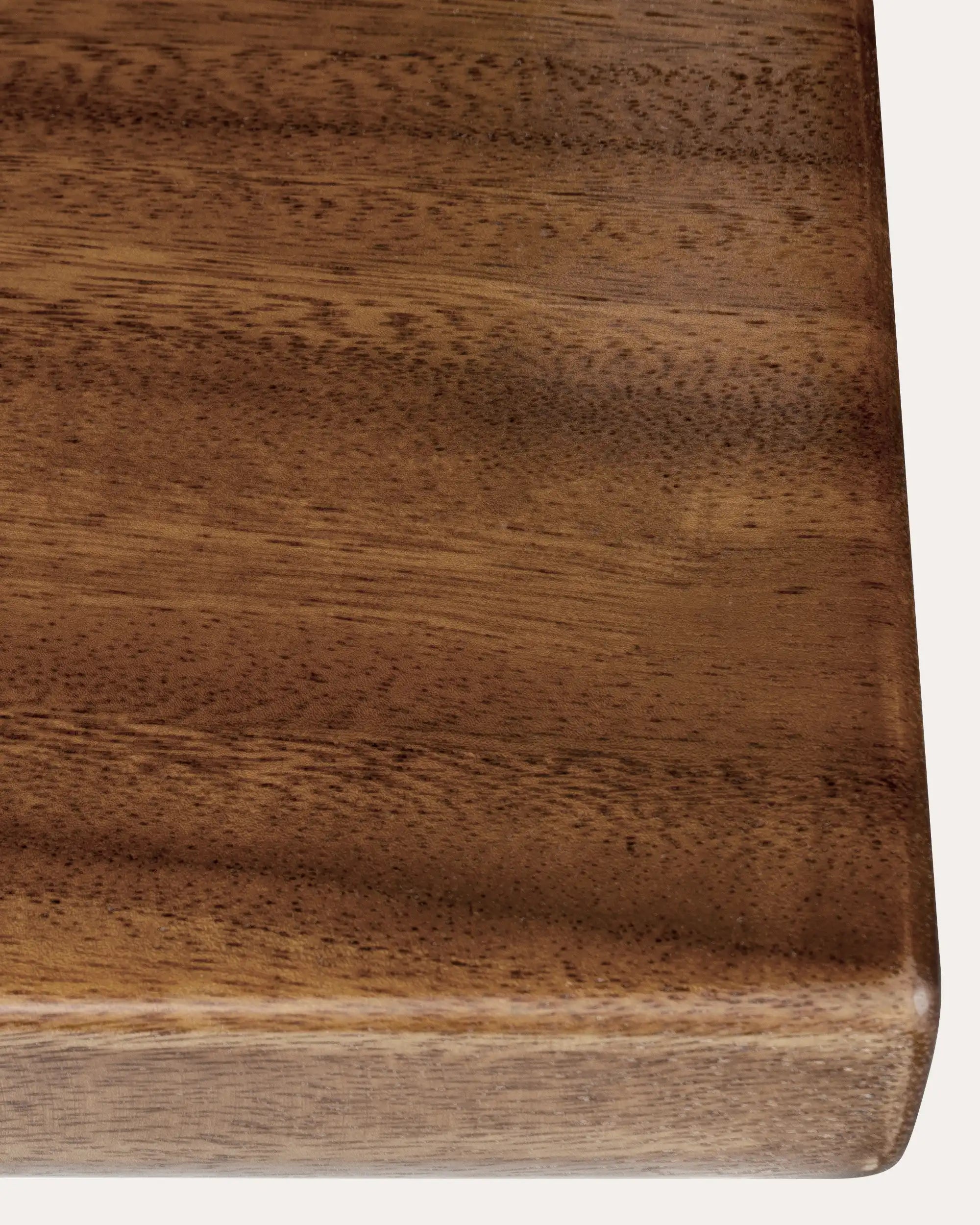
Crafted from premium South American walnut using eco-friendly spliced boards, it reduces waste while preserving natural wood edges. Every panel is selected for beauty, offering luxurious grain and timeless warmth.
-
Premium Walnut Craftsmanship
-
Made from carefully selected South American walnut, the tabletop showcases fine natural grain and smooth texture. Each 6–8 board splice preserves the wood’s continuous pattern, offering timeless beauty and luxury that stands above the ordinary.
Exquisite Craftmanship
-
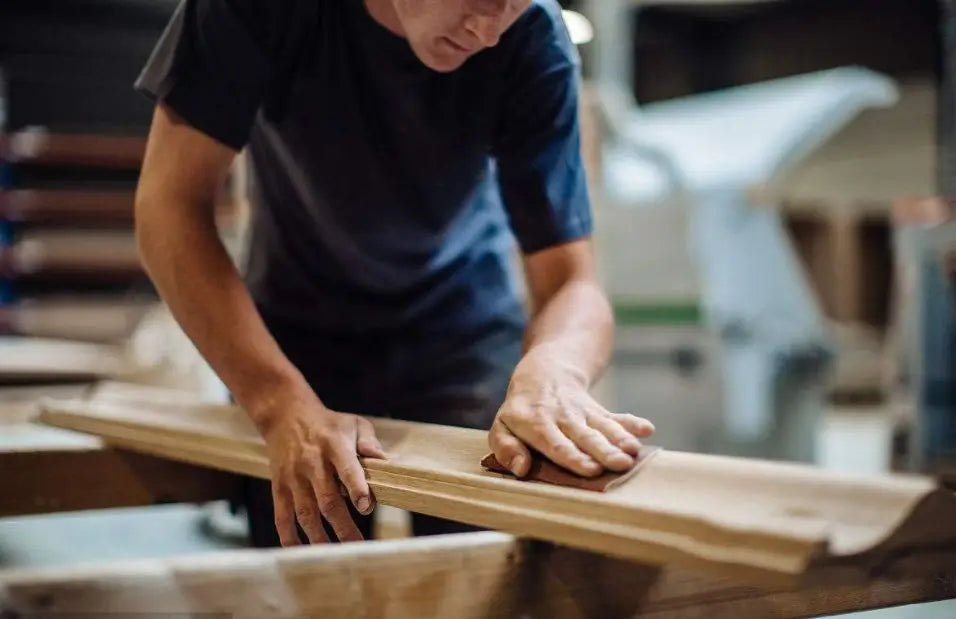
With 30 years of artisan experience, KUMO HOME ensure each step is handcrafted to guarantee the highest quality. Every product is made through 165 meticulous processes.
Natural Finishing
-
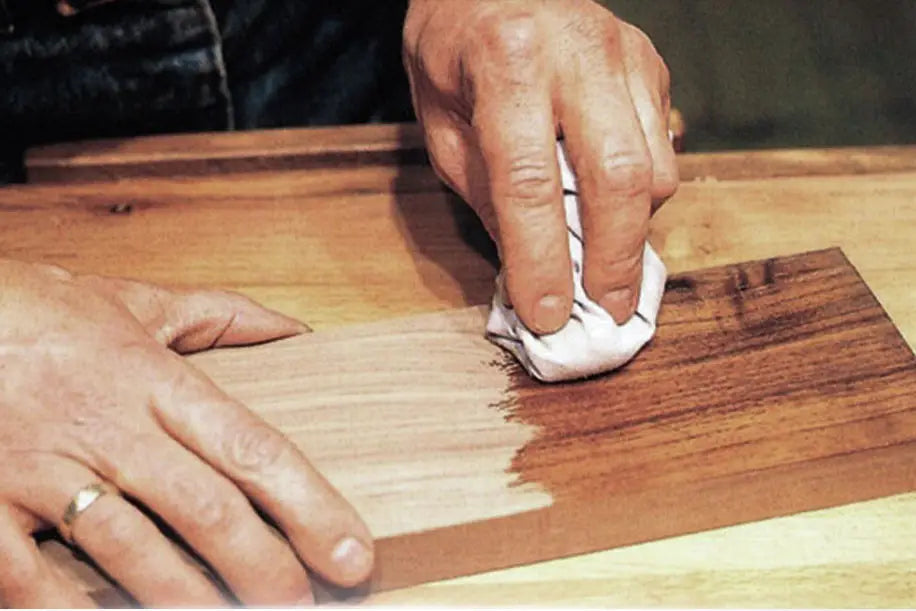
Made from naturally extracted ingredients, this hardwax oil is completely colorless and odorless, providing exceptional waterproofing and wear resistance to safeguard and enhance your wood surfaces.
Carefully Selected Materials
-
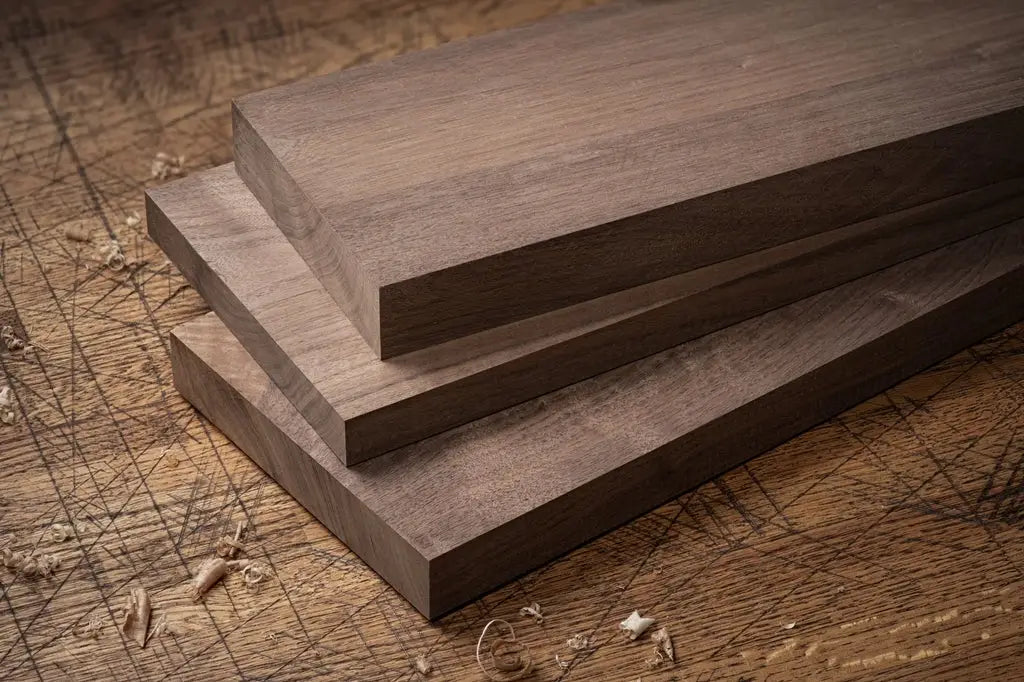
Solid South American walnut is a strong and beautiful choice for furniture. Our pieces are handcrafted with premium American black walnut, built to last a lifetime.
Features
-
Inspired by modern art installations, the Acrylic Floating Dining Table blends transparent acrylic with solid walnut wood to create a dreamy, weightless effect. It transforms your dining space into a scene of modern artistry and everyday wonder.
-
Inspired by modern art installations, the Acrylic Floating Dining Table blends transparent acrylic with solid walnut wood to create a dreamy, weightless effect. It transforms your dining space into a scene of modern artistry and everyday wonder.
-
Artistic Floating Design
-
Drawing inspiration from acrylic art exhibits, this table combines clear acrylic with walnut wood to create an elegant, floating illusion. The transparent base makes the tabletop appear suspended in midair—adding a touch of magic to your dining moments.
-
Solid Structure & Enduring Strength
-
Crafted from premium South American walnut using eco-friendly spliced boards, it reduces waste while preserving natural wood edges. Every panel is selected for beauty, offering luxurious grain and timeless warmth.
-
Premium Walnut Craftsmanship
-
Made from carefully selected South American walnut, the tabletop showcases fine natural grain and smooth texture. Each 6–8 board splice preserves the wood’s continuous pattern, offering timeless beauty and luxury that stands above the ordinary.
-
Artistic Floating Design
-
Drawing inspiration from acrylic art exhibits, this table combines clear acrylic with walnut wood to create an elegant, floating illusion. The transparent base makes the tabletop appear suspended in midair—adding a touch of magic to your dining moments.
-
Solid Structure & Enduring Strength
-
Crafted from premium South American walnut using eco-friendly spliced boards, it reduces waste while preserving natural wood edges. Every panel is selected for beauty, offering luxurious grain and timeless warmth.
-
Inspired by modern art installations, the Acrylic Floating Dining Table blends transparent acrylic with solid walnut wood to create a dreamy, weightless effect. It transforms your dining space into a scene of modern artistry and everyday wonder.
-
Artistic Floating Design
-
Drawing inspiration from acrylic art exhibits, this table combines clear acrylic with walnut wood to create an elegant, floating illusion. The transparent base makes the tabletop appear suspended in midair—adding a touch of magic to your dining moments.
-
Solid Structure & Enduring Strength
-
Crafted from premium South American walnut using eco-friendly spliced boards, it reduces waste while preserving natural wood edges. Every panel is selected for beauty, offering luxurious grain and timeless warmth.
Craftmanship
-
Inspired by modern art installations, the Acrylic Floating Dining Table blends transparent acrylic with solid walnut wood to create a dreamy, weightless effect. It transforms your dining space into a scene of modern artistry and everyday wonder.
-
FA1522C
Exquisite Craftmanship
-
With 30 years of artisan experience, KUMO HOME ensure each step is handcrafted to guarantee the highest quality. Every product is made through 165 meticulous processes.
Natural Finishing
-
Made from naturally extracted ingredients, this hardwax oil is completely colorless and odorless, providing exceptional waterproofing and wear resistance to safeguard and enhance your wood surfaces.
Carefully Selected Materials
-
Solid South American walnut is a strong and beautiful choice for furniture. Our pieces are handcrafted with premium American black walnut, built to last a lifetime.
Details
DIMENSIONS
Package
Characteristics
-
Acrylic
-
Walnut
Support
Delivery
-
45-60 Days
-
Not supported
Standard shipping: (45-60 Days) Express shipping: (15-30 Days)
Assembly
- Unpacking suggestions: Exercise caution when using a knife to open. Retain the packaging for a few days in the event of a return and hold onto the assembly manual for future reference.
- People Required: 1
Cares
General warnings: Avoid positioning close to direct heat sources. Protect from exposure to direct sunlight. Refrain from using harsh chemicals such as acetone, bleach, or solvents. Sharp objects may mar the product's finish.
Fabric Care:
1. Vacuum: Prevent accumulation of dust and grime
2. Foam Cleaner: Safely lift stubborn stains, grime, and odors
Learn more
Warranties
Upholstery: 1 year
Frame: 5 year
Cancellation: Free Before Dispatch
Return Policy: 14-Day Return
FAQ
-
What size dining table do I need?
-
Leave ~36" (90cm) of clearance around the table for chairs. General guide: 60"–72": Seats 4–6 people; 72"–84": Seats 6–8 people; 84"–96": Seats 8–10 people;
-
How do I fix water stains or heat rings?
-
Wipe spills immediately. For cloudy white heat rings, gently sweep a hairdryer on a warm setting over the spot, or lightly buff with wood wax oil along the grain. Always use coasters and trivets.
-
How do I maintain and oil Solid Walnut?
-
Apply wood wax oil every 6–12 months. Wipe the table clean, apply a thin layer along the grain, wait 15 minutes, and buff away the excess with a dry microfiber cloth.
-
How do I prevent wood cracking in winter?
-
Maintain indoor humidity between 40%–60%. Keep the table at least 3 feet away from direct heat sources like radiators or heating vents to prevent the wood from drying out.
-
Solid Wood vs. Veneer: How can I tell?
-
Check the edges. On solid wood, the natural grain pattern flows continuously from the top over the edges. Veneers use artificial edge banding. Solid wood is also noticeably heavier.
COM (Customer's Own Material)
FAQ
-
What size dining table do I need?
-
Leave ~36" (90cm) of clearance around the table for chairs. General guide: 60"–72": Seats 4–6 people; 72"–84": Seats 6–8 people; 84"–96": Seats 8–10 people;
-
How do I fix water stains or heat rings?
-
Wipe spills immediately. For cloudy white heat rings, gently sweep a hairdryer on a warm setting over the spot, or lightly buff with wood wax oil along the grain. Always use coasters and trivets.
-
How do I maintain and oil Solid Walnut?
-
Apply wood wax oil every 6–12 months. Wipe the table clean, apply a thin layer along the grain, wait 15 minutes, and buff away the excess with a dry microfiber cloth.
-
How do I prevent wood cracking in winter?
-
Maintain indoor humidity between 40%–60%. Keep the table at least 3 feet away from direct heat sources like radiators or heating vents to prevent the wood from drying out.
-
Solid Wood vs. Veneer: How can I tell?
-
Check the edges. On solid wood, the natural grain pattern flows continuously from the top over the edges. Veneers use artificial edge banding. Solid wood is also noticeably heavier.
-
Solid Walnut vs. White Oak: Which should I choose?
-
Solid Walnut: Features rich, warm chocolate tones. Perfect for adding a luxurious, grounding feel to mid-century or elegant spaces.
White Oak: Features a lighter, highly durable finish. Ideal for bright, airy minimalist or Nordic-inspired interiors.
COM (Customer's Own Material)
6 Ways We Deliver Luxury for Less
| Benefits | KUMO HOME | Other Brands |
|---|---|---|
| Craftsmanship |
Solid walnut/ash, 360° seamless hand-polishing, Great Country Craftsman Award.
Solid wood, award-winning craft.
|
Plywood core with veneer, industrial finishing with visible seams.
Veneer, industrial finish.
|
| Modular Flexibility |
Soho modules from $499, free combination and future expansion.
Modular from $499.
|
Fixed units require full upfront purchase, limited expansion options.
Fixed, full purchase.
|
| Health & Kid-friendly |
New Zealand top-grain leather, natural wood wax, zero-emission factory.
Natural finishes, zero-emission.
|
Industrial paint with VOC off-gassing, standard factory processes.
VOC paints, standard.
|
| Shipping & Duties |
Free international shipping, zero import duties or VAT charged.
Free shipping, zero duties.
|
Additional shipping fees $200-500+, customers pay import duties separately.
$200-500+ fees, duties.
|
| Customization Service |
Complimentary 3D rendering, material boards, installation guidance, size/color customization.
Free 3D, full custom.
|
Reserved for premium lines or additional fees $500+.
$500+ custom fees.
|
What our customers are saying
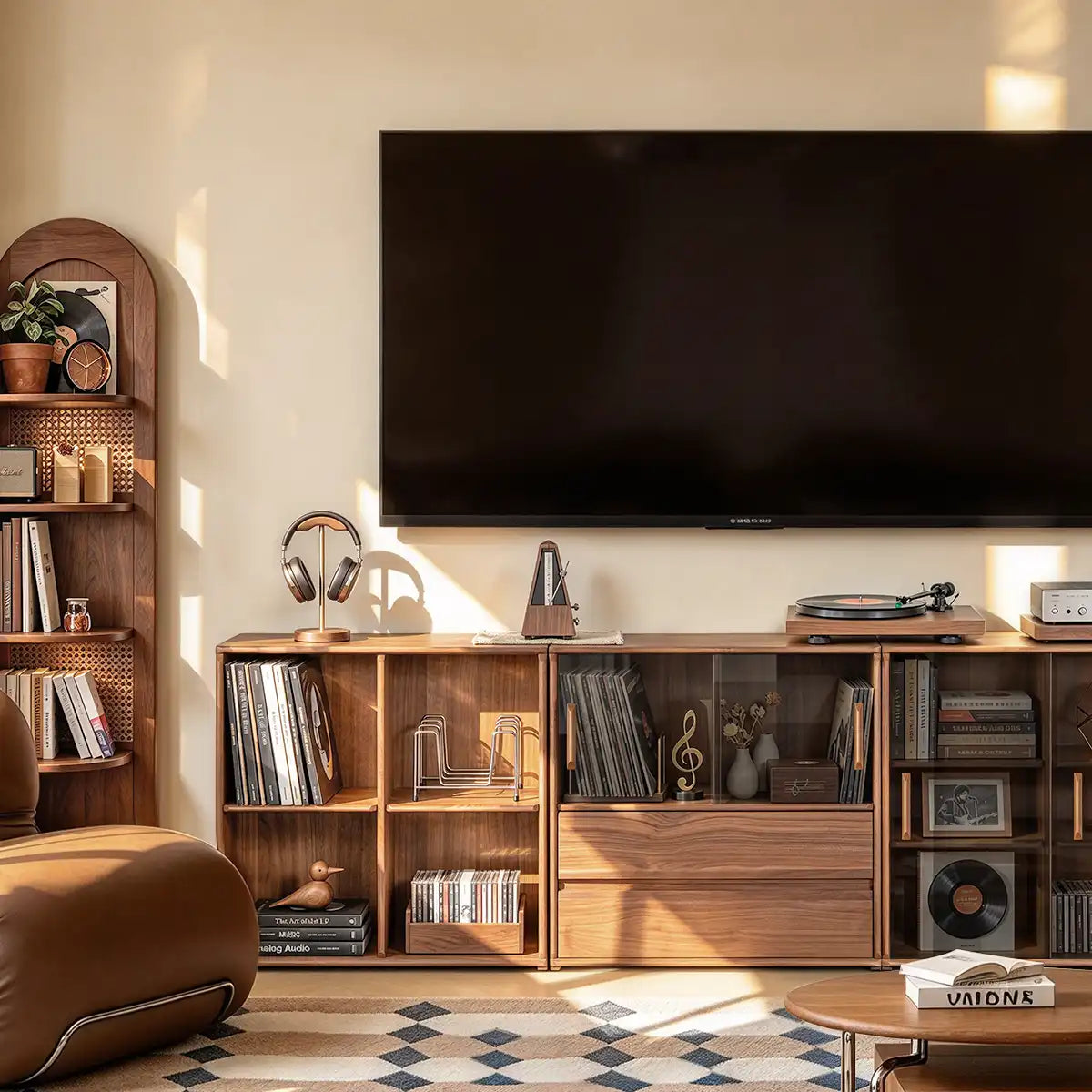
Customize Your Furniture: 7 Options to Consider Before You Order
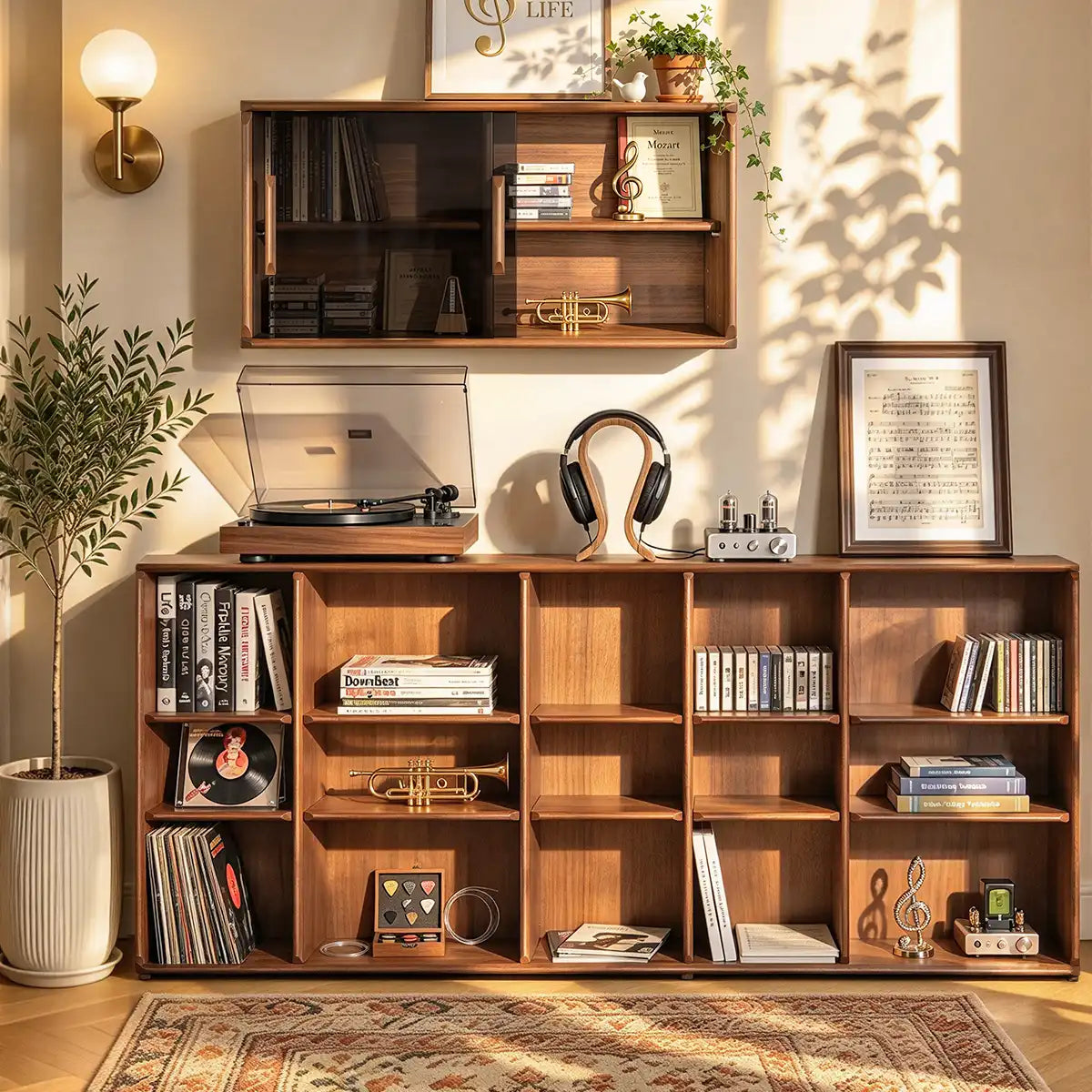
How to Choose the Right Bookcase Size for Books, Records, and Daily Storage

How to Choose a Vinyl Record Cabinet: 7 Measurements That Matter
Frequently Asked Questions
Frequently Asked Questions
Leave ~36" (90cm) of clearance around the table for chairs. General guide: 60"–72": Seats 4–6 people; 72"–84": Seats 6–8 people; 84"–96": Seats 8–10 people;
Wipe spills immediately. For cloudy white heat rings, gently sweep a hairdryer on a warm setting over the spot, or lightly buff with wood wax oil along the grain. Always use coasters and trivets.
Apply wood wax oil every 6–12 months. Wipe the table clean, apply a thin layer along the grain, wait 15 minutes, and buff away the excess with a dry microfiber cloth.
Maintain indoor humidity between 40%–60%. Keep the table at least 3 feet away from direct heat sources like radiators or heating vents to prevent the wood from drying out.
Check the edges. On solid wood, the natural grain pattern flows continuously from the top over the edges. Veneers use artificial edge banding. Solid wood is also noticeably heavier.